2011年1月10日月曜日

JVC GS-TD1


『Everio GS-TD1』は先日発表されたソニーの3Dビデオカメラと同じように2レンズ2CMOS構成で、フルHDを左右2枚ずつ記録する高画質機。視聴環境は、明確にこの3Dテレビで観られる!とはうたっていないのですが、記録方式が従来のサイドバイサイドのAVCHD(パナソニックのビデオカメラで採用されていた3D形式)でも撮れるとあるので、画質を落とせば、3D Vision環境でもいけそうですね。気になる価格は1999.95ドル。単純に日本円に換算すると約16万6000円とソニー機よりもやや高め……。日本でははたしていくらで売られるのか気になるところ。

 メインストリームのモデルでは本体で2D-3D変換できる『Everio GZ-HM960』を発表。こちらは2Dで撮影して、再生するときに本体の液晶で3Dに変換して立体視できるというしろもの。

Everyone is at it! Hot on the heels of the Sony TD10 comes the JVC TD1. With such similar names and numbers this is going to get confusing fast! Anyway this is another dual stream full 1920×1080 3D camcorder with some impressive specifications. This taken from the JVC press release:

The new GS-TD1 uses two camera lenses and two 3.32 megapixel CMOS sensors – one for each lens – to capture three-dimensional images much the same way that human eyes work. JVC’s new high-speed imaging engine simultaneously processes the two Full HD images – left and right images at 1920 x 1080i – within that single chip. The newly developed “LR Independent Format” makes the GS-TD1 the world’s first consumer-oriented camcorder capable of 3D shooting in Full HD. JVC’s new camcorder offers other shooting modes as well, including the widely used “Side-by-Side Format” for AVCHD (3D) and conventional AVCHD (2D) shooting.

Side by side recording is going to be very usefull for going direct to consumer TV’s or for YouTube uploads so this is a nice feature indeed. It appears to only have a 5x optical zoom in 3D compare to the Sony’s 10x, like the Sony it features image stabilisation. It’s certainly an impressive looking unit. The flip out LCD screen once again uses some kind of parallax barrier for 3D viewing without glasses. The consumer 3D market is certainly growing at a rapid rate and I’m really excited about these new cameras. Sony.. JVC.. Anyone want to lend me one for my 3D shoot in Iceland in March???

The GS-TD1 should be available in March for $1995. More details on the JVC web site: http://newsroom.jvc.com/2011/01/jvc-full-hd-3d-consumer-camcorder-is-world’s-first/

2010年12月8日水曜日

テッド・シロビッツ氏と、ジョン・セグード氏に訊くEPICの秘密


今回発表されたエピックの最新スペックは次の通り。

5Kモードでの120fps撮影
2Kモードでの240fps撮影
RED FLUTカラーサイエンス
本体ボディ重量:2.3kg
シャッターシンク/リバーシブルセンサースキャン機能搭載(3D対応機能)
3D撮影用メタデータ&メニュー搭載
HD-SDI出力/720、1080p、2K、4:2:2/4:4:4対応
高ダイナミックレンジ/13.5ストップ(HDR機能にて18ストップ)
ホットスワップ・バッテリーシステムによる連続的な撮影が可能(1個で30分稼働)
24bit/48Khzサンプリングの2ch、4chオーディオ入出力対応
ISO 200〜12800対応
RED CODE 30〜250までの圧縮レベルの可変撮影
HDMI出力搭載
16GB CFメモリーカードによるRED CODE RAW記録
効率的なクーリングシステム(湿気、粉塵を排除)
さらに正式発表された新しいモジュール群が登場してきた。

256/512GB SSDモジュール(REDCODE RAW/ロスレス2.5:1記録)
PRO I/Oモジュール:XLR/AES Digital Input
タッチスクリーンLCD:メニューコントロール機能付き液晶カラーモニター
BOMB EVF:5インチ/9インチ 24bit電子ビューファー
H.264モジュール:HQ1080pストリームCFカード出力対応
REDMOTE/REDMOTE PRO:ワイヤレスリモートコントロール(100mの遠距離からのワイヤレスリモートコントロール)

今回のEPIC in Japan開催にあたり、来日した、お馴染みのTED SCHILOWITZ(テッド・シロビッツ)氏と、スチルカメラ設計部分を担当する初来日のJON SAGUD(ジョン・セグード)氏に、EPICの最新仕様とRED社の構想についてインタビューした。

- 今回EPICに搭載された、3Dカメラ用に開発された新たな技術について教えて下さい。

TED氏(以下T):RED ONEではゲンロック機能により、2台同期での3D撮影が可能でした。しかし2台の完全同期というのはなかなか難しかったので、EPICでは新たに開発したセンサーロックによる同期機能を搭載したことにより、2台のEPICの完璧な同期による3D撮影が可能になります。センサー自体を動かすことも出来ますし、2台のセンサーとセンサーの読み出しもハーフミラーリグ使用の場合でも、反転時にCMOS内のデータ読み出しも反転させることが出来るので、完全な同期が可能です。この点でも現行の他のカメラよりも優れた機能と言えます。

JON氏(以下J):我々は"Power 3 Access Control"と呼んでいますが、メカニカルデザイン的に解説すると、画像をセンサーの中心部分からだけではなく、センサーのエリア内で選びたい地番を指定して、X軸/Y軸/Z軸で自由に選択/制御できるという優れた設計になっています。3D撮影における2つのセンサーの理想値が75mmとされており、2台のEPICを並べると約80mmなので、他社のカメラを2台並べるよりは、その理想に遥かに近づいていると言えます。このEPICの機能は、EPIC複数台のセンサーを同期させることも可能なので、3D以外にも使用用途はもっと広がるかもしれません。制限として何台まで可能か?というのはまだテストしていないのでわかりませんが、物理的には何台でも可能です。
-今回はHDR機能やスチルカメラとしての機能アップが目立ちますが...。

T:今回スチル機能に関しては、2つの新しい技術を発表しました。その一つが"メタデータタグ"です。24/25pもしくはHS撮影でのムービー撮影時に、シャッターを切ったその瞬間をスチル画像として切り取れるという機能です。それも動画も静止画も同じ港解像度の画像切り出しが可能です。

J:今回のEPICやSCARETは、スチルとムービーの機能を上手くブレンドするということが、ようやくカタチなった製品です。ダイナミックレンジも優れていて、尚かつフォーカス機能も優れているという部分ですね。EPICでは、例えば風船が割れるようなシーンを、14メガピクセルのカメラで2秒間に240コマの撮影ができ、その中でスチル画像が必要なら240コマの中のどれか一つを選べ、ムービーならばスローモーション画像が同時に得られるわけで、それがこれまでのRED ONEとは一番の違いです。

T:RED ONEでは、このところムービーとスチルを同時に撮影するという需要も増えています。すでに多くのメジャー雑誌の表紙がRED ONEで撮影されました。そういう需要にも応えるため、今回はニコンとキヤノンのスチル用レンズの電子制御マウントを開発しました。特徴的なのは電子制御の方法が、フォーカスとアイリスはLCDのタッチスクリーンで、ズームはハンドル部分でコントロールできるという点です。

J:ニコンとキヤノンとは、両社と技術提携をして各レンズ開発メンバーとディスカッションを積み重ね、プロトコルの確認など電気的制御ができるようになりました。今後はREDからも電子制御レンズを発表する予定ですが、高解像度な高性能レンズで、シネマ用途にももちろん使用出来ます。自社開発のレンズなのでさらにEPICやSCARETとの相性も良くなるはずです。もともとRED ONEというカメラは(プロ向けとして)安い価格帯のカメラなので、レンズもキヤノンやニコンのレンズを使っていたという需要は多かったと思います。今後EPIC/SCARETになると、さらにスチル撮影での需要が増えると予想されることから、この技術が必要だと思いました。
-低価格帯機種のSCARETについて何か進展はありますか?

T:近々発売を予定していますが、まだ正式な時期は言えません。完成したときが出荷できる時です(笑)が、それはもう間近ですでに製品化への最終のテストに入っています。センサーサイズが違うという部分以外には、SCARETもこのEPICとほぼ同じ機能/仕様になります。SCARETのラインナップには、8倍のズームレンズ一体型のモデルがあり、こちらが先に市場に登場する予定で価格は$5〜6,000相当を考えています。その後に出てくるレンズ交換式モデルには、もちろんこのキヤノン/ニコンマウントも使用出来ますし、EPICの他のほとんど全てのパーツに互換性があります。
- 今回のEPICの改善点はどのように決定されたのでしょうか?また今後の開発の方向性はどのように考えていますか?

T:我々は事前に市場マーケティングに力を入れたり、宣伝に力を入れてお客様が喜ぶであろうという商品を作るというメーカーではありません。最初から目的を持った技術開発先行で、その後ユーザーからのフィードバックを次の開発に反映させるという手法で製品開発を進めています。ですので、RED ONEもすでに初期の約60%を改造しているわけです。最新のEPICには"マジックコンポーネント"と呼んでいる動画撮影時のHDR機能が追加され、ダイナミックレンジ13+〜18+のストップが得られるなど多くの画期的な機能が盛り込まれました。これも我々の試行錯誤の中で発見された技術です。

J:RED様々な開発におけるカギとなる哲学は"シンプルで、ロジカルで、エレガントである"ということですが、創業者のジム・ジャナードは40年間の写真撮影歴をバックグラウンドに持っている情熱的な写真家でもあります。レッドの製品には、彼が考えていたデザインや様々なアイディアがインプットされています。それをバックグラウンドに『夢のカメラ』を作ろうという理念に基づいて、REDのカメラは基本設計がなされているのです。そうしたユーザー視点は、もちろん彼だけでなく開発エンジニアたちも、元々がカメラユーザーとして何年もカメラを扱ってきた人たちが開発して来ているので、常にユーザー視点で開発を進め、ユーザーに第一に考えているということです。

EPIC


リリース直前のEPIC実機を日本初公開
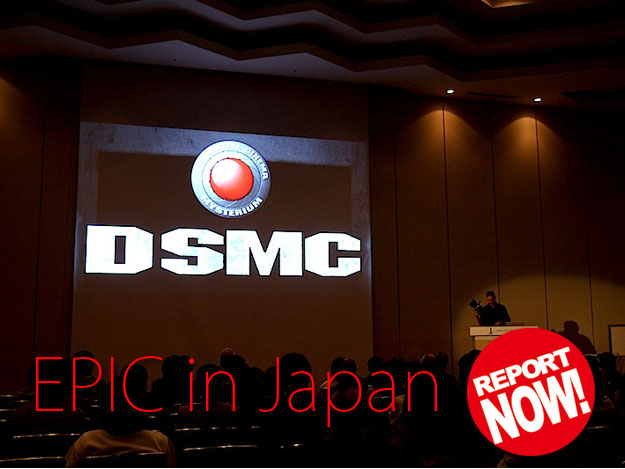
RED Digital Cinema社(RED社)のアジア環太平洋地域の総代理店を務める西華産業は11月18日、千葉・幕張のアパホテル&リゾート東京ベイにおいて、プライベートセミナー/EPIC in Japanを開催。日本では実機初公開となるREDの次世代機"EPIC"のリリース直前の最終仕様に近いモデルが公開された。

11月上旬からのアジアンツアーの一環として行われたこのイベントは、シンガポール、香港、ホーチミンに続いての開催で、 EPICの最新仕様の日本初公開に基づいたプレゼンテーションセミナーを中心に、周辺機器のセミナーなどが開催された。また会場内では同社が取り扱うELEMENT TECHNICA社(米)の3Dリグ、P+S TECHNIK社(独)のハイスピードカメラのWeisscam(ヴァイスカム)なども同時に展示、またBlackmagicDesign社のカラーグレーディングシステムDaVinci Resolveや、The Foundry 社のプロダクション支援ソフト"STORM"など、REDカメラ周辺のソフトウェア/機材も多数展示された。

一昨年、次世代のカメラシリーズとして自社が推進するDSMC(デジタル・スチル・モーション・カメラ)のコンセプトを具現化したモデル、EPIC(エピック)とSCARET(スカーレット)を発表。5KサイズのCMOSセンサーを積んだ上位機種のEPICのプロトタイプ機が、今年4月のNAB2010会期中に開催されたREDユーザーのための特別イベント『RED DAY』で実機が初披露されたが、その後は"TATOO MODEL"と言われる初期バージョンが限られた台数のみ販売されたのみ。その後、世界のトップクリエイターがこの"TATOO MODEL"を検証、そのフィードバックにより、今回持ち込まれた最新のEPICでは、REDの目指すDMSCとしての機能を満載した出荷最終仕様に近いモデルに仕上がったようだ。

2010年12月6日月曜日

TD VISION 民生用3Dカメラ


TDVISONの2眼一体式MPEG4カメラ

仕様

3D 720 p HD Video Scanning (1280 x 760 Progressive)
* 5.1 Megapixel Digital Still Photos
* MPEG-4 Compression Technology
* Capture Still and Video Images Simultaneously
* 10x Optical Zoom Lens / 10x Digital Zoom Lens
* Built-in Digital Image Stabilization
* SD Memory Card Compatibility (Cards Sold Separately)
* High Quality Stereo Recording (AAC-LC)
* TDVComposite, TDVS-Video Output
* Dimensions: 4" x 5" x 4"


現在調査中

2010年11月26日金曜日

CineForm Teams Up with AJA to Deliver Stereo 3D Workflow Support for New KONA 3G

(Solana Beach, California--November 15, 2010) CineForm®, Inc., creators of high-fidelity compression-based workflow solutions for the post production marketplace, announced today that it has teamed up with AJA to offer full stereo 3D workflow support for the newly launched KONA 3G card, the multi-format SD/HD/Dual Link/3G/2K video I/O hardware for Mac.

As part of this cooperative effort, AJA released updated version 8.1 KONA software which has added 3D video controls to the KONA 3G’s Control Panel software interface enabling direct ingest into, and playout of, CineForm 3D files, further simplifying production workflows for customers working with 3D content. During ingest, KONA 3G enables simultaneous real-time capture of separate left eye and right eye sources through HD-SDI – including sources previously recorded in stereo mode on HDCAM SR – directly into CineForm 3D files. Each individual eye is multiplexed together into a CineForm 3D file that is available for immediate editing with CineForm’s Neo3D software when used in combination with Apple Final Cut Pro, Adobe Premiere Pro and other compatible software applications. The new KONA software also adds support for recording and playout of CineForm 4:2:2 2D media.

The AJA KONA 3G card featuring support for CineForm Neo3D is available immediately.

“One of our primary goals with the KONA 3G was to deliver a solution that could handle just about anything our customers are dealing with today. Stereo 3D, and our ability to support it, is rising to the top of the list for many customers,” said Nick Rashby, President, AJA. “Through our collaboration with CineForm, our customers who wish to work with stereo 3D in post can eliminate the time consuming step of transcoding material after ingest and instead be ready to edit immediately when using CineForm Neo3D.”

CineForm Neo3D is CineForm’s award-winning 3D post production workflow solution that enables users to edit 3D projects in real time with full frame rate playback to an external 3D monitor. With CineForm First Light 3D as the enabling 3D workflow and production engine, Neo3D users are provided comprehensive control of the 3D image processing workflow.

The new AJA KONA 3G provides professional editors with the utmost in workflow flexibility, supporting a broad range of video formats including: 10-bit uncompressed video 3G/HD/SD SDI I/O, new HDMI 1.4a output for stereoscopic monitoring to consumer 3D displays, 8-channel AES digital audio I/O (16-channel AES with optional K3G-Box) and 16-channel SDI embedded audio I/O, real-time hardware-based up/down/cross conversion to support a range of SD and HD formats, dual-link HD, even 2K formats, a hardware-based downstream keyer and more.

About AJA Video Systems, Inc.
Since 1993, AJA Video has been a leading manufacturer of high-quality and cost-effective digital video interface, conversion and Desktop solutions supporting the professional broadcast and post- production markets. With headquarters in Grass Valley, California, AJA maintains an extensive sales channel of dealers and systems integrators around the world. For further information, please see our website http://www.aja.com.


About CineForm
CineForm develops compression-based workflow solutions for film and video acquisition, post production, and archive applications. Offering the industry’s highest-fidelity compression, CineForm software products are used by discerning film studios, television producers, and digital media artists to enhance their file-based workflows. CineForm products are available for both end users and OEM integrators, offer cross-platform compatibility, support most camera and file-based sources, and enable 2D and 3D editorial workflows with spatial resolutions up to 8K. http://www.cineform.com

2010年11月9日火曜日

James Cameron says glass-less 3D TV is 8 to 10 years away.

As we all know, James Cameron loves to talk about 3D. And considering the guy spent several years and millions of dollars developing 3D technology in the depths of the ocean in order to make Avatar, the least we can do is listen. Cameron believes the next big step in 3D is getting rid of those pesky glasses and that glasses-less 3DTV is about eight to ten years away from hitting critical mass here in the United States. Considering HDTV has been around since the 1990s, but didn’t really hit big until about five years ago, that estimate sounds about right. So, once Avatar 2 and 3 come home, maybe you won’t have to feel silly watching them with 3D glasses on.

However, the main conceptual issue with glasses-less 3DTV is most people have a problem actually visualizing what it means. Even though we live in a 3D world, it’s hard to imagine a 3D movie or TV without glasses. Well, the answer is coming home much sooner than you’d think. March’s release of the Nintendo 3DS will be most people’s first foray into the whole new world of glasses-less 3D entertainment and we attempt to describe the experience after the jump.

Note: I’m fully aware this is a crude example and there surely will be some difference between the 3D technology Nintendo is using in 2011 vs. what we will see in a decade from now. But playing with the 3DS was my first glimpse into this next stage and that knowledge seems apropos with recent Cameron’s declaration at Blu-Con 2010. Thanks to Gizmodo for the heads up

2010年11月3日水曜日

ESPN 3D


ESPN broadcasting is about to bring the world a legit 3D network. ESPN 3D is promising to show no less than 80 live 3D events in its inaugural year, to include FIFA World Cup matches, football, basketball and expanding to cover the X Games featuring skateboarding and rally car racing all live, and all right in the middle of your living room.

Of course to have access to all this high tech wizardry you will need a 3D ready television, and some 3D glasses, and we’re not talking about the newest plastic ones that replace the cardboard red eye, blue eye numbers of yesteryear, we’re talking sophisticated battery operated shutter glasses and you will need a 3D ready set top box from your multichannel video provider.

Discovery Communications is following right behind ESPN and has teamed up with the folks that bring you IMAX in the hopes of having their own 3D offering sometime next year. Unlike ESPN 3D, the Discovery Channel will have 3D programming available 24/7.

source: espn